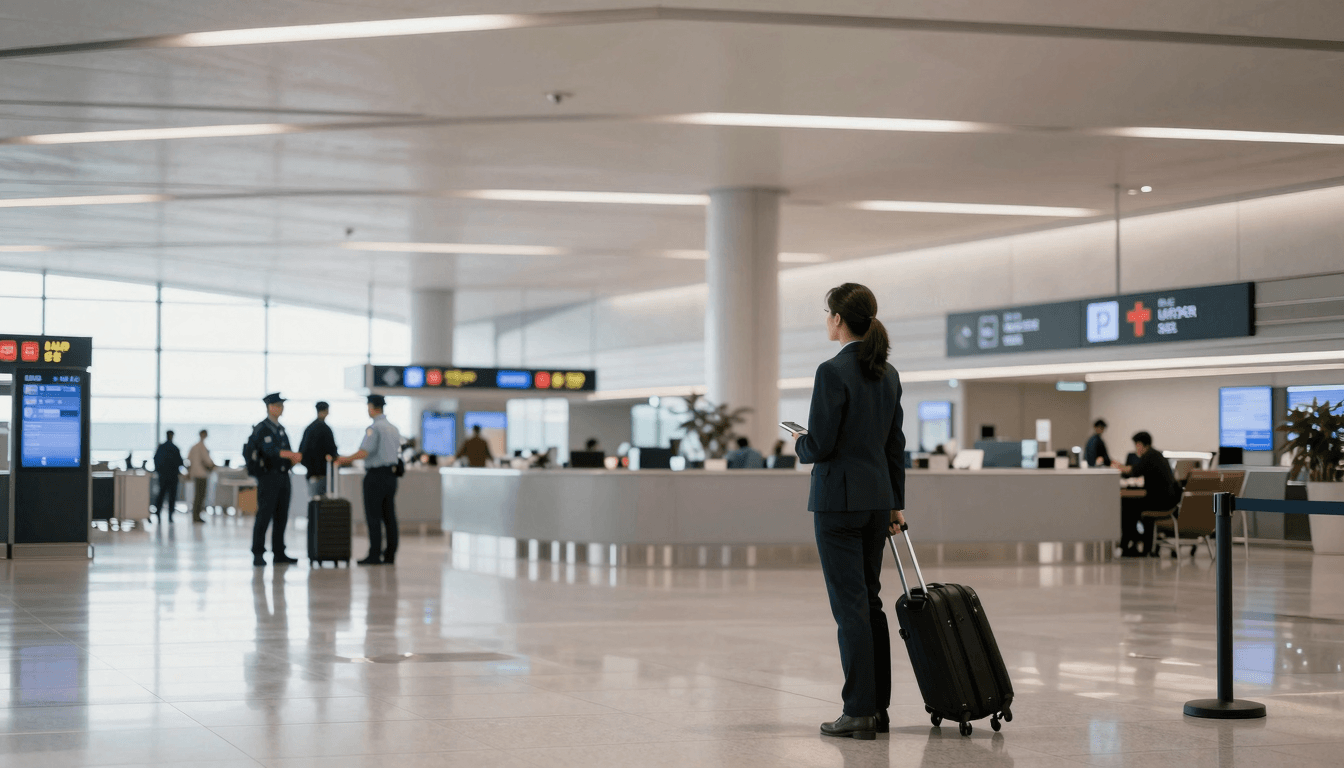
Fiumicino is a major, heavily monitored international hub, and the ordinary travel precautions that apply at any big airport apply here too — the practical risks worth knowing about are more mundane than dramatic.
General safety
As one of Europe's busiest airports, Fiumicino has a substantial security presence, e-gates and biometric checks for arriving passengers, and standard EU aviation security screening. There's nothing specific to FCO that puts it outside the norm for a major international airport.
Practical precautions
The main real risk for most travelers isn't crime inside secure areas — it's unofficial taxi touts who approach you in arrivals before you reach the official rank, or overpaying for a ride you could take at the fixed €55 official fare. Use the marked taxi rank, keep valuables in sight in busy areas like the Tax Free Mall, and confirm your terminal ahead of time since Terminal 1 and Terminal 3 aren't linked airside.
Emergency services and medical care
As a major hub airport, Fiumicino has on-site first aid and medical assistance available to travelers, alongside the standard emergency-services coordination expected at an international airport of this size. If you need medical help, approach any staffed information desk or uniformed airport staff member, who can direct you or call for assistance directly.
Common scams to know about
Beyond unofficial taxi touts, the other pattern worth watching for is anyone approaching you offering to 'help' with luggage, forms, or currency exchange for an unstated fee — polite but firm refusal, and sticking to marked official desks and ranks, avoids the vast majority of the minor scams reported at large European airports generally, Fiumicino included.